Diamond Challenge 2026: A Complete Guide for High-School Innovators
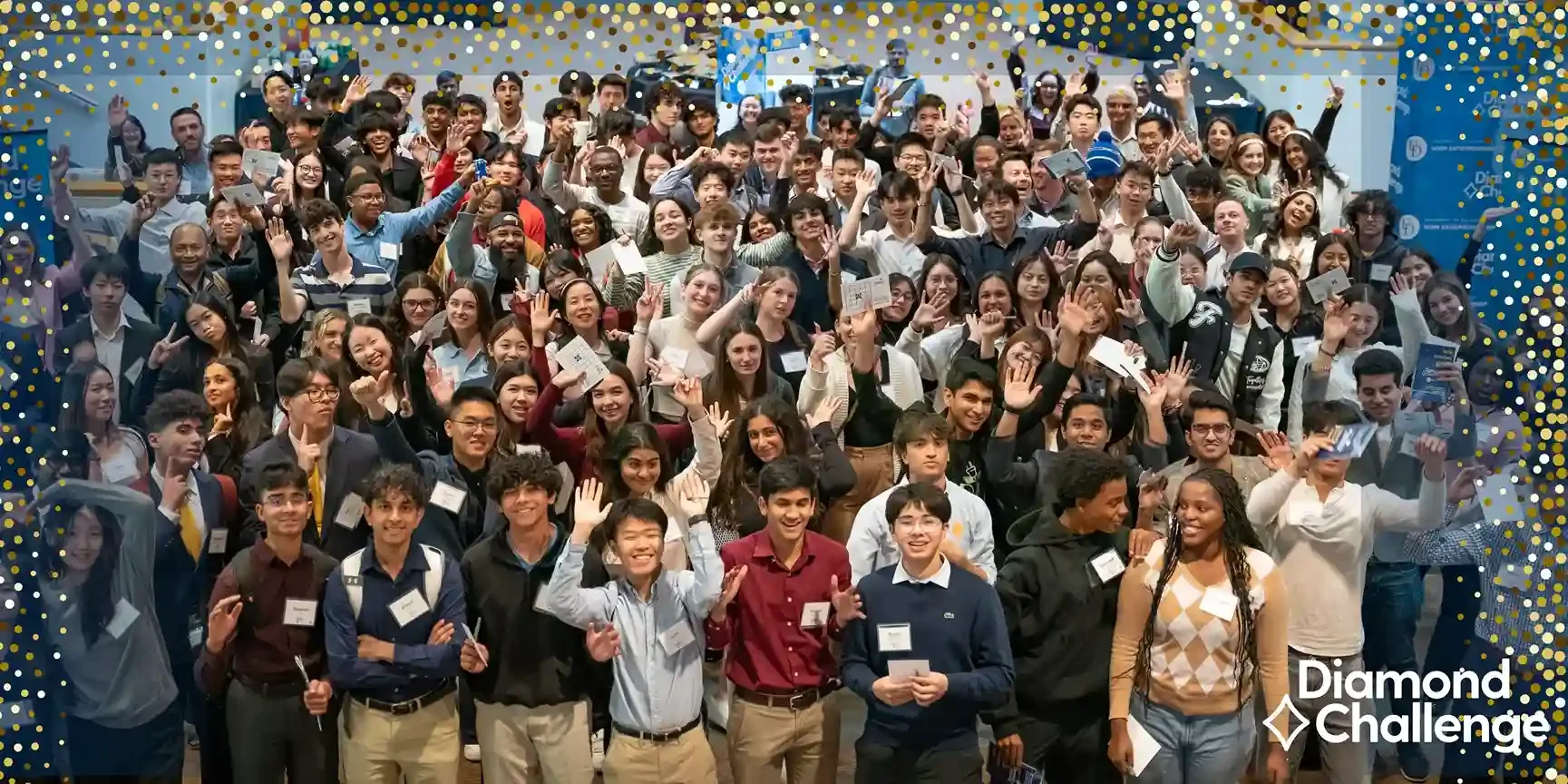
In 2026, high-school students with big ideas now have one of the most transformative stages to launch them: the Diamond Challenge. Far more than a competition, this global innovation platform teaches teens how to think like entrepreneurs, validate concepts with real feedback, and connect with other young changemakers. Whether your child is interested in business, social impact, sustainability or technology, the Diamond Challenge offers structured learning, global recognition and real opportunities to win funding.
This blog unpacks the full Diamond Challenge experience — from timeline and eligibility to winning strategies, real stories and how teens can prepare to compete at a world-class level.
What Is the Diamond Challenge?
The Diamond Challenge is a global entrepreneurship competition designed for high-school students (ages 14–18). It is organised by Horn Entrepreneurship at the University of Delaware and invites diverse teams from around the world to create, validate and pitch original business or social venture concepts.
The competition focuses on learning by doing: not just submitting an idea, but developing it into a pitch, gathering evidence, and defending it to expert judges. With a total prize pool of over $100,000 USD, the Challenge rewards top teams in both business innovation and social innovation tracks.
Beyond prizes, the Diamond Challenge emphasises mindset development, real-world skill building, and global networking — turning student ideas into potential real ventures.
Why Diamond Challenge Matters in 2026
The competition’s prestige has grown rapidly since its launch, attracting thousands of teams globally and fostering entrepreneurial communities across continents.
Unlike many contests that only reward winners, the Diamond Challenge offers free entrepreneur-focused resources and curriculum, helping students learn frameworks for ideation, market validation and pitching before they even submit.
This makes it more than just an event — it’s a year-long learning journey that builds confidence, communication skills, and innovation capacity. For students looking to stand out academically or professionally, it is a uniquely practical and impactful experience.
Eligibility & Team Structure
To participate in Diamond Challenge 2026:
Students must be enrolled in high school and aged 14–18 on the submission deadline.
Teams should consist of 2–4 members and include at least one adult advisor aged 21 or older.
Each team must choose a competition track: Business Innovation (revenue/market focused) or Social Innovation (impact driven).
Teams may submit only one concept per competition year.
There is no entry fee — and the competition’s open access to resources makes it inclusive for students from any country (see rules).
Timeline: Diamond Challenge 2026
The official competition cycle typically runs as follows:
Opening of Submission Window: 17 September 2025
Submission Deadline: 15 January 2026
Pitching Round Notifications: 10 February 2026
Finalists Announced: 9 March 2026
Limitless World Summit: 23–24 April 2026
This timeline gives teams several months to develop, refine and validate their ideas before pitching to panels of judges from business, academia and industry.
How the Competition Works
1. Concept Development & Submission
Teams submit a written concept and a brief video outlining their idea, its purpose, and why it matters. This encourages clarity, relevance, and early practice in communicating ideas — essential entrepreneurial skills.
2. Pitch Rounds
After initial evaluation, advancing teams are invited to a pitching round. Participants may choose to pitch either live at regional events or via pre-recorded/virtual format.
Judges assess concepts based on feasibility, growth potential, creativity and impact — blending both analytical and imaginative criteria.
3. Final Round & Limitless World Summit
Finalists are invited to the Limitless World Summit in Wilmington, Delaware — a two-day celebration and learning experience. There, students pitch again, attend workshops, and connect with mentors, peers and global innovators.
The summit includes panels, networking, innovation sprints and inspirational events designed to build skills and confidence.
Tracks Explained: Business vs Social Innovation
Business Innovation: Focuses on creating commercially viable products or services that can generate revenue, growth and long-term sustainability. Teams develop market strategies and business models that appeal to judges looking for scalability.
Social Innovation: Centres on solving social, environmental or community challenges while demonstrating value to people and societies. Ideas in this track combine purpose with practicality, showing how innovation can drive positive change.
Students may choose a track based on passion, project focus, or long-term vision — and this choice shapes the feedback and mentoring they receive.
Why Students Should Compete (Beyond Prizes)
1. Build Real Skills
Competing forces students to clarify assumptions, research problems, create prototypes, and articulate value — core competencies in entrepreneurship and modern careers.
2. Network & Mentorship
Through pitching rounds and the Limitless World Summit, students meet peers and mentors from diverse backgrounds, expanding perspectives and opportunities.
3. Academic & Career Advantages
Participation signals initiative, creativity and resilience — traits that impress universities and future employers. These experiences often become standout components of applications and resumes.
4. Confidence & Growth
Many participants cite increased confidence in public speaking, critical thinking, and problem solving — benefits that extend beyond the competition itself.
Success Stories & Real-World Impact
Over the years, the Challenge has empowered thousands of teams from more than 130 countries, awarding hundreds of thousands of dollars in prize funding and scholarships.
Alumni often continue building their ventures, pursue higher education with entrepreneurial leanings, or use the experience as a launchpad for innovation in university clubs, internships, and emerging careers.
How Families and Schools Can Support Competitors
To maximise success and well-being:
Encourage structured ideation: Set weekly check-ins to refine ideas.
Use free resources: Leverage the Diamond Challenge curriculum and guides.
Practice pitching: Rehearse in front of peers or teachers.
Seek diverse feedback: Incorporate input from mentors, teachers and professionals.
Balance academics and competition prep: Prioritise quality, not just quantity of prep time.
How to Register
Registrations Closed.