Blue Ocean Competition 2026: A Complete Guide for High-School Innovators
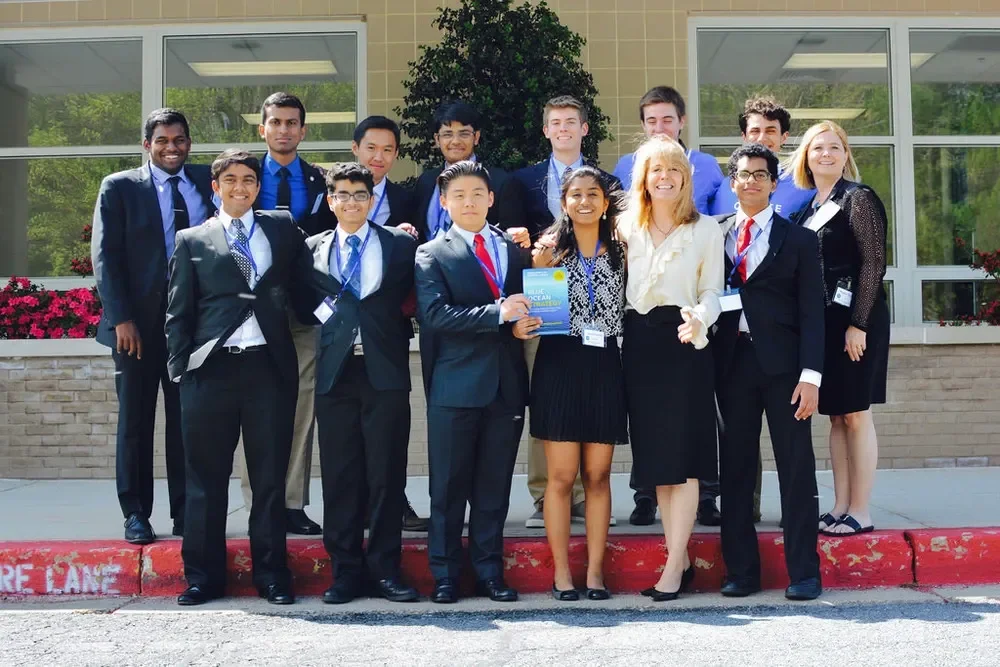
In a world crowded with competition, the boldest innovators don’t compete — they create new markets. That’s the core idea behind the Blue Ocean Competition: a global challenge that invites high-school students to build ventures or solutions that escape saturated spaces and unlock fresh opportunities. As we approach 2026, this competition is one of the most exciting and accessible platforms for future founders and problem-solvers worldwide.
This blog gives you a complete blueprint to understand, prepare for, and excel in the Blue Ocean Competition — from eligibility and structure to preparation strategies, real examples, and why participation can shape a student’s future.
What Is the Blue Ocean Competition?
The Blue Ocean Competition is an international strategic innovation challenge inspired by the Blue Ocean Strategy framework — a business concept that encourages organisations to find “uncontested market space” instead of fighting over existing demand.
Unlike traditional contests that focus solely on business plans or profit projections, the Blue Ocean Competition emphasises innovation that expands boundaries, customer value creation, and strategic differentiation. This makes it ideal for high-school students who want to build ideas and solutions that don’t just fit into markets — they redefine them.
Why the Blue Ocean Competition Matters in 2026
In 2026, educational trends are shifting from test-centric learning to applied skills, creativity and strategic thinking. Employers and universities are looking beyond grades; they want evidence of ideation, validation, collaboration, and execution.
The Blue Ocean Competition places students in this future-ready mindset:
creating original value propositions
identifying unmet needs
building prototypes or plans that solve real problems
articulating strategic differentiation
This aligns with what modern educational ecosystems — including the International Finance Academy’s own programmes — prioritise: thinking beyond current boundaries.
Who Can Participate & How It Works
Eligibility:
Open to high-school students across the globe.
Teams can usually include 2–4 members (check official 2026 guidelines).
Students must submit ideas that are impactful, implementable and show strategic differentiation.
There is no cost to join, and the competition is designed to be fully accessible — encouraging creativity over resources.
Competition Structure:
While exact deadlines may vary each cycle, the Blue Ocean Competition typically follows these stages:
Idea Registration: Teams submit their initial concept, target problem, and value proposition.
Development Phase: Students flesh out their idea — researching, prototyping, and testing assumptions.
Submission Round: A detailed proposal (and sometimes a pitch video or prototype) is submitted for review.
Evaluation: Judges assess submissions based on originality, strategic clarity, feasibility and potential impact.
Finalists / Winners: Top teams may be highlighted, rewarded, and connected to networks.
This structure encourages students to think about innovation in a strategic and holistic way — not just in terms of building something, but building something uniquely valuable in a new space.
Blue Ocean Strategy Simplified for Students
At the heart of this competition is the Blue Ocean Strategy concept, which is grounded in creating new market space instead of battling over existing demand. For students, this means:
Finding unexplored areas with customers who have unmet needs
Creating value innovation — solutions that are both innovative and desirable
Avoiding saturated categories where competition only focuses on lower prices or minor improvements
You can learn more about this strategic mindset further in the competition’s own educational resources and guides.
How to Prepare for the Blue Ocean Competition (Step-by-Step)
1. Identify a Real Problem — Not Just an Idea
Begin with curiosity. Look around your community, school, city or digital networks and ask:
What problems are people struggling with that no one is solving well?
Document observations, interview potential users, and note real pain points.
2. Map the Current Market Landscape
Use simple tools like:
competitor lists
user journey maps
empathy interviews
These tools help you understand where the “ocean” is crowded — and where there might be open water.
3. Define Your Value Proposition
A strong Blue Ocean idea isn’t just new — it’s *clearly different *and easier for people to adopt.
Ask:
Why will people choose this?
What makes it unique?
What value does it deliver that others don’t?
4. Prototype Early and Test Fast
Great ideas evolve through testing:
MVPs (Minimal Viable Products)
sketches + storyboards
simple mockups
quick user feedback loops
Remember: feedback helps ideas improve, not fail.
5. Build a Clear Story & Pitch
Judges evaluate both idea quality and presentation clarity. A clear narrative helps:
explain why the problem matters
show who benefits
outline how your idea works
highlight why it’s different
This is exactly what most universities and future employers look for — compelling communication.
Real Examples That Capture Blue Ocean Thinking
To clarify strategic innovation, imagine:
Example 1 — EduApp for Neurodiverse Learners
Instead of creating another tutoring platform, students could build a solution tailored for learners with ADHD and autism, focusing on attention-adaptive learning paths and personalised visual rewards.
Example 2 — Sustainable Construction Material from Waste Plastic
Rather than competing in the crowded recycled goods market, this idea turns plastic waste into cost-effective building blocks, creating a new resource stream for affordable housing.
These examples illustrate value innovation — where creativity meets strategic impact.
What Judges Are Looking For
Judges in Blue Ocean Competitions typically look for:
Strategic differentiation: The idea opens new space rather than competing directly.
Clarity of value: It’s obvious who benefits and how.
Feasibility: Can the idea realistically be piloted or prototyped?
Evidence of research: You’ve talked to potential users and backed assumptions with data.
Storytelling: You can communicate your idea compellingly and confidently.
Benefits Beyond Winning
1. Skill Development
Students develop:
problem framing
strategic thinking
research & analysis
storytelling
collaboration
These are career skills that extend far beyond the challenge itself.
2. Confidence & Agency
Young innovators often report increased confidence, better communication, and stronger collaboration skills after competition participation.
3. Portfolio & Future Opportunities
Submissions, pitches, and prototypes are concrete evidence students can showcase on:
university applications
professional portfolios
internships
scholarship essays
How Schools & Families Can Support Competitors
To support students effectively:
Encourage curiosity over perfection — failures are learning, not setbacks.
Help with scheduling — consistent work beats last-minute rush.
Connect with mentors — even one expert call can sharpen a concept.
Provide feedback loops — honest critique builds stronger ideas.
Celebrate effort and growth — not just wins.
This kind of supportive environment is crucial for teenage innovators to thrive.
Practical Tools and Resources
Students preparing for the Blue Ocean Competition can use:
Market research templates
“How to interview users” worksheets
Lean Canvas or Value Proposition Canvas
Video scripts for pitches
Feedback logs
Many of these tools are available through entrepreneurship curricula or can be found through free digital resources.
How to Register
Interested students can register here.
This page includes deadlines, guidance tips, FAQs and support to help first-time competitors get started with confidence.
The Blue Ocean Competition isn’t just an event — it’s a mindset shift. It teaches students to stop competing in crowded arenas and instead to create new arenas altogether. That is the essence of innovation.
Whether your teen is serious about entrepreneurship, passionate about solving social problems, or simply curious about strategic thinking, this competition offers a rare chance to stretch their thinking, build confidence, and gain real-world skills that matter.