Genius Olympiad 2026: A Complete Guide for Student Innovators
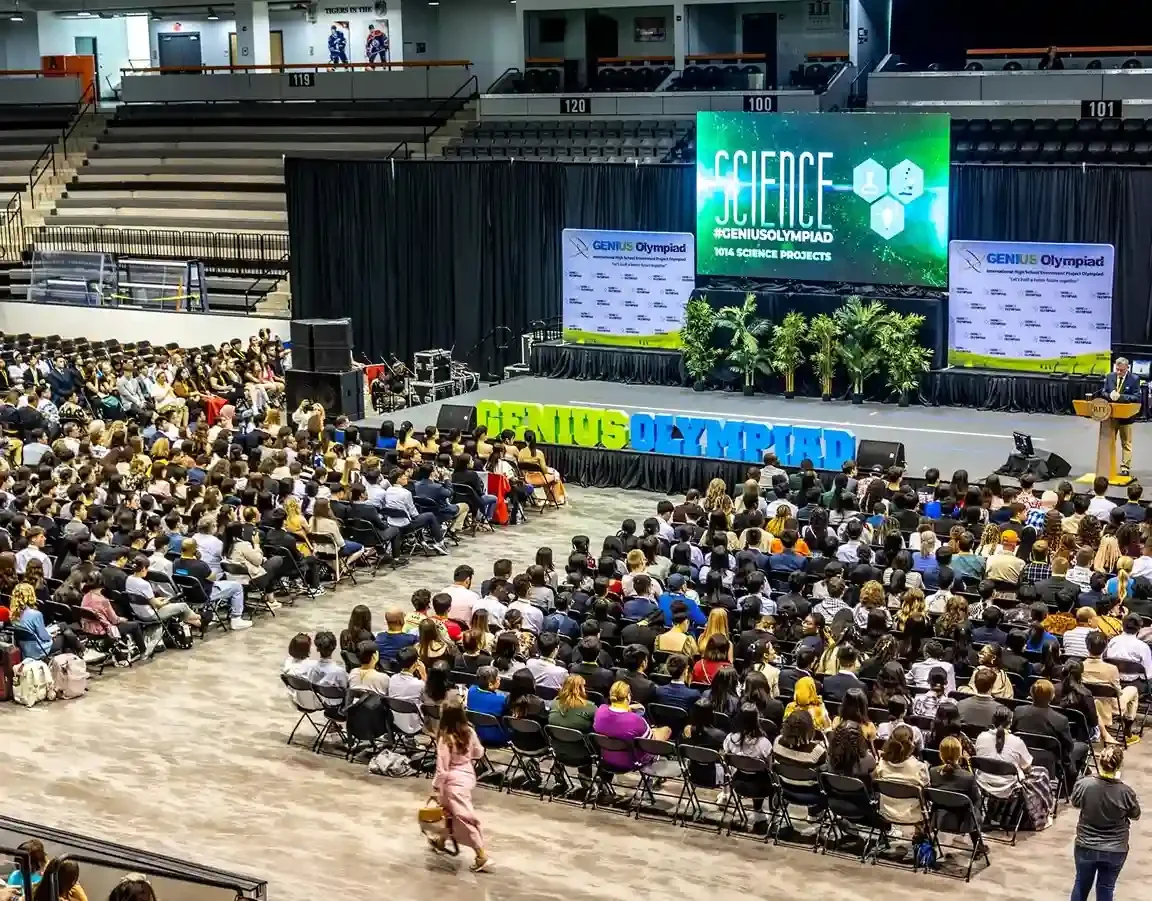
In a world facing urgent environmental and social challenges, the Genius Olympiad stands out as a premier global competition where high-school students can transform passion into impact. Rather than merely pitching plans, participants research, build, and present projects that address sustainability issues — from climate resilience to community wellbeing.
For parents, educators and ambitious students aged 13–18, the Genius Olympiad offers an extraordinary platform to showcase academic creativity, learn deeply, and connect with innovators around the world. Whether your child is interested in science, environmental stewardship, entrepreneurship or interdisciplinary research, this competition integrates real skills with meaningful purpose.
In this comprehensive guide, we’ll unpack what the Genius Olympiad is, how it works, why it matters in 2026, and how students can prepare to compete and succeed.
What Is the Genius Olympiad?
The Genius Olympiad is an annual international research and sustainability competition that invites students to explore solutions for global issues through research projects, experiments, prototypes, and presentations. Founded in 2008 and hosted by the Rochester Institute of Technology (RIT), the Olympiad has become a magnet for young changemakers worldwide. Students can compete individually or in teams across multiple disciplines including business, science, mathematics, research, art and entrepreneurship.
The competition emphasises project depth, original research and real-world relevance rather than just theoretical concepts. The Genius Olympiad categorises submissions into disciplines such as creative writing, sustainability solutions, environmental business plans, and more — offering diverse pathways for students to express their interests and talents.
Why Genius Olympiad Matters in 2026
The world is facing unprecedented sustainability challenges — climate change, biodiversity loss, resource scarcity and social inequity. By 2026, these topics are no longer niche; they are core professional domains shaping policy, business and community innovation. Students who engage with complex real-world problems early gain deep analytical skills, systems thinking, and resilience — qualities employers and universities increasingly value.
The Genius Olympiad aligns with this trend by encouraging students to engage in interdisciplinary research, evidence-based analysis and actionable solutions. Unlike many competitions that focus on theory or pitching alone, the Genius Olympiad encourages students to build and test their ideas, making it a high-impact platform for skill development.
Competition Structure & Categories
The Genius Olympiad typically consists of the following stages:
1. Project Submission
Students submit a project report, research documentation, and supporting evidence. Depending on the category, this may include experimental data, prototypes, multimedia presentations, or written analysis.
2. Preliminary Review
Submitted projects are reviewed by international judges who specialise in sustainability research, science, business innovation and education.
3. On-Campus Finals at RIT
Finalists are invited to present their work in person on the Rochester Institute of Technology campus in the USA, participating in symposiums, networking sessions, and award ceremonies.
Participants can compete in categories such as:
Environmental Research
Creative Writing on Sustainability
Business/Entrepreneurship for Sustainable Solutions
STEM & Innovation
Art & Sustainability
Multimedia Presentations
Who Can Participate?
The Genius Olympiad is open to high-school students globally, typically ages 13–18. Both individuals and teams may enter, depending on the category. The competition encourages participation from students with diverse interests — not only science or engineering, but also arts, writing, social sciences, and business, reflecting the multidisciplinary nature of sustainability challenges.
Participants often use Genius Olympiad as a springboard into advanced research, university programmes, and international collaborations.
Important Dates for 2026
While exact deadlines can shift slightly each year, the Genius Olympiad typically follows a calendar of:
Registration Opens: Late Autumn (November)
Submission Deadline: Late Winter / Early Spring
Notification of Finalists: Spring
Finals at RIT: Late May / Early June
How to Prepare for Genius Olympiad 2026
Preparation for this competition requires both rigour and creativity. Here’s a step-by-step framework:
1. Choose Your Category Early
Selecting the most aligned category (e.g., environmental research, business innovation for sustainability) helps narrow research focus and strengthens project relevance.
2. Identify a Real World Problem
Great projects start with a meaningful question. Students should pick issues that matter in their own context — local water challenges, school waste management, digital accessibility for disabled students, etc.
3. Build a Research Plan
Your plan should include:
Literature review
Hypothesis or problem statement
Methodology or approach
Data collection or prototyping
Analysis and actionable insights
Document every step clearly — judges look for evidence of thoroughness and critical thinking.
4. Use Evidence and Data
Credibility matters. Whether qualitative insights or quantitative measurements, support claims with real data, interviews, surveys, or experiments.
5. Collaborate and Seek Mentorship
Teachers, professors, or professionals can help guide methodology, refine hypotheses, and provide critical feedback.
6. Refine Your Presentation
For on-campus finals, storytelling matters as much as research quality. Students should practise clear, confident, and compelling presentations — verbal and visual.
Judging Criteria: What Wins in Genius Olympiad
While categories have specific rubrics, common criteria include:
Originality: How innovative is your solution or research question?
Relevance: Does the project address real sustainability challenges?
Depth of Research: Are methods rigorous and insights evidence-based?
Impact Potential: Can this idea be applied or scaled?
Presentation Quality: Is the information communicated clearly and persuasively?
Aligning with these criteria increases chances of success and personal growth.
Benefits of Competing in Genius Olympiad
1. Deep Skill Development
Students develop:
critical thinking
structured research
project management
communication
teamwork
These are career-long competencies, not just contest skills.
2. Global Recognition
Finalists and awardees gain international exposure, enhancing university applications and networks.
3. Mentorship and Learning
Students connect with academics, professionals and peers, expanding perspectives and opportunities.
4. Confidence and Purpose
Researching and presenting on global issues gives students confidence and a deeper sense of agency.
Real Success Stories
Past Genius Olympiad participants have gone on to publish papers, launch ventures, and secure scholarships. Many continue their sustainability work beyond the competition, entering fields like environmental engineering, public policy, data science and social entrepreneurship.
These alumni stories demonstrate that the Genius Olympiad is not just a competition — it’s a launchpad for future leaders.
Support Strategies for Students
Parents and educators can help by:
Encouraging exploration of meaningful local challenges
Providing time and space for research
Offering feedback loops
Helping students connect with mentors
Celebrating progress, not just results
This support network makes a meaningful difference in student performance and confidence.
Registration and Resources
Students can register here.
This page includes timelines, support materials and FAQs to help families and students navigate the process.
The Genius Olympiad represents the intersection of curiosity, discipline, and purpose. In a world increasingly shaped by sustainability challenges, students who learn to ask deep questions and build evidence-based solutions are not just competing — they’re shaping the future.
If your child loves research, cares about the planet, or dreams of making a difference — there’s no better stage than the Genius Olympiad.