SAGE Global 2026: The Definitive Guide for Student Entrepreneurs
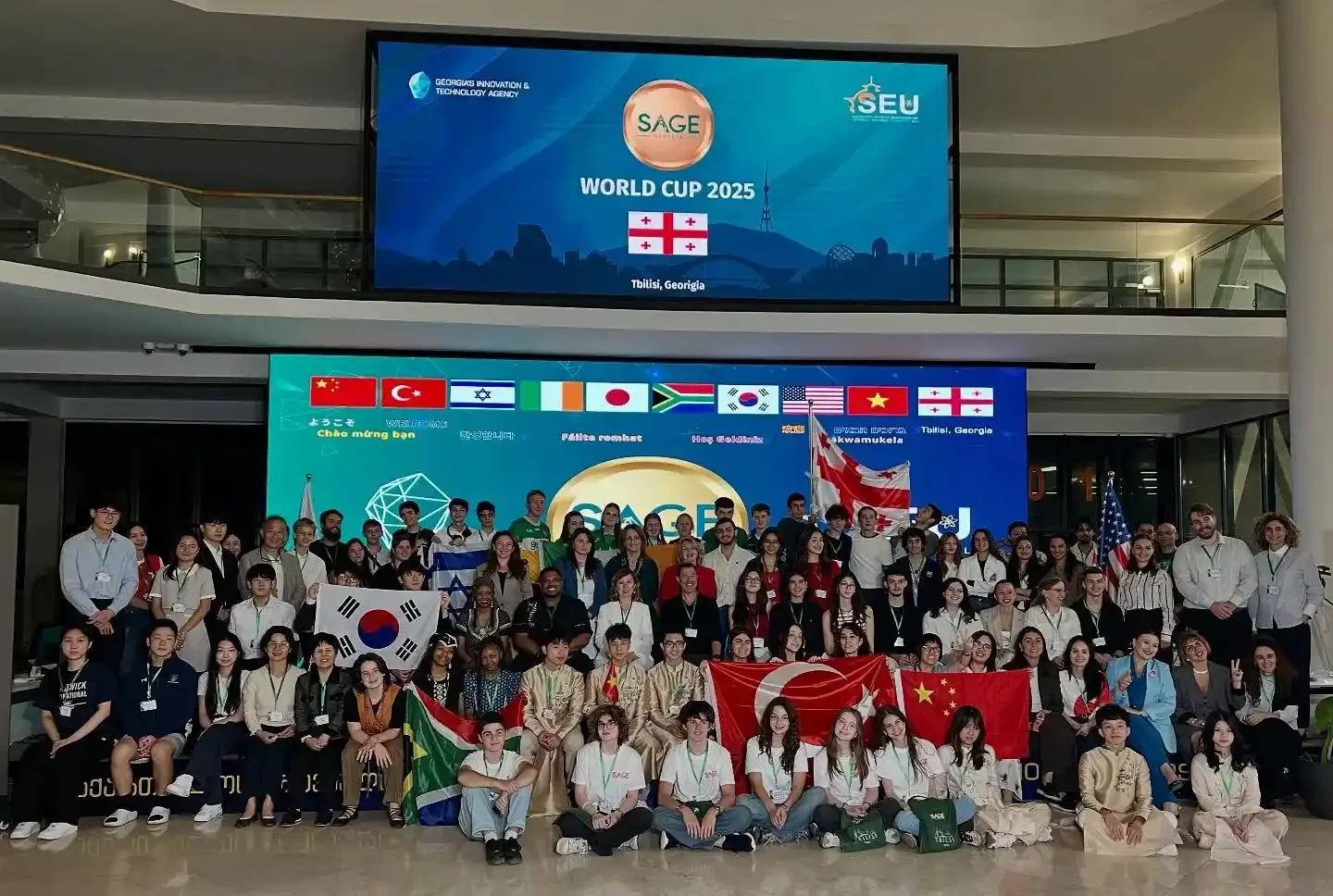
In a world where purpose and impact matter as much as profit, the SAGE Global competition stands as one of the most powerful platforms for young entrepreneurs and changemakers. Designed to encourage high-school students to turn social problems into scalable ventures, SAGE (Students for the Advancement of Global Entrepreneurship) has become a global movement that blends innovation, empathy, strategy and community impact.
Whether your teen dreams of solving environmental injustice, financial exclusion or educational inequality, the SAGE Global competition provides a structured, supportive and globally recognised way to build real ventures, get mentorship, and compete on an international stage.
In this complete guide, we’ll walk you through what SAGE Global is, how it works, why it matters in 2026, strategies for success, and how students can prepare to make the most of this remarkable opportunity.
What Is SAGE Global?
SAGE Global is a year-long entrepreneurship challenge focused on social innovation. Students identify real challenges in their communities and develop ventures that address them — using principles of entrepreneurship, sustainability, and positive social change.
SAGE Global spans multiple regions and culminates in a global pitch event where students showcase their ventures to international judges and mentors. It’s more than a competition — it’s a global classroom of impact and learning.
Why SAGE Global Matters in 2026
By 2026, the drive toward purpose-driven innovation is stronger than ever. Universities, employers, and global networks increasingly value young people who can:
Identify systemic problems
Build practical solutions
Demonstrate evidence-based impact
Lead teams with empathy and clarity
SAGE Global uniquely blends entrepreneurial thinking and social impact, making it especially relevant for students seeking real-world experience, university distinction, and personal growth.
Unlike purely business-focused contests, SAGE emphasises the “why” behind an idea as much as the “how”, bridging entrepreneurship with ethical leadership — a key differentiator in a changing global landscape.
How the SAGE Global Competition Works
1. Identify a Social Challenge
Participants begin by selecting a challenge from their community — it could be environmental, educational, economic, health-related, or cultural. The key is that the problem must be:
real
specific
researchable
within the team’s capacity to address
Examples include financial literacy gaps among youth, waste management issues in local markets, or mental health support in schools.
2. Build a Social Venture
Once a challenge is selected, students develop a venture model that proposes an actionable solution. This includes:
a clear problem statement
proposed solution
target audience/community
feasibility analysis
impact measurement plan
revenue or sustainability strategy
Teams are encouraged to prototype, experiment and iterate — aligning with real entrepreneurship practices.
3. Submit & Refine
Teams submit their proposals, which typically include:
a written summary
evidence of research
early user feedback
business or impact model
projected outcomes
Judges review submissions with an emphasis on thoughtfulness, feasibility, research strength, and community value.
4. Regional and Global Rounds
Top teams from national or regional submissions advance to global rounds. Here, students present live (or virtually) to panels of judges and mentors, showcasing their work and answering questions.
This multi-stage format adds both depth and momentum — encouraging sustained learning rather than one-off project creation.
Who Can Participate?
SAGE Global is open to high-school students worldwide. It attracts a diverse cohort — from first-time innovators to students with previous competition experience.
Teams often consist of 2–5 members, supported by a teacher or mentor. Importantly, SAGE emphasises inclusivity: impactful ideas and well-researched models matter more than polished pitches or expensive prototypes.
Important Dates for 2026 (Typical Cycle)
The SAGE Global competition typically follows an annual cycle:
Registration Opens: Late autumn / early winter
Submission Deadlines: February – March
Regional/National Results: Spring
Global Finals: Late May – June
Judging Criteria: What Makes a Strong Submission
Judges evaluate SAGE Global projects using criteria that balance strategy, impact and clarity. Common evaluation points include:
Impact Potential
How well does the venture address the target challenge?
Does it demonstrate measurable benefit?
Research & Evidence
Did the team conduct meaningful research?
Are insights backed by data, interviews or experimentation?
Viability
Is the solution realistic?
Is there a practical path toward implementation and sustainability?
Innovation
Does the idea creatively solve the problem?
Does it avoid obvious or superficial fixes?
Presentation
Is the story clear, compelling and well-structured?
Are stakeholders and beneficiaries clearly articulated?
By focusing on this holistic blend — rather than just profit or aesthetics — SAGE Global rewards thoughtful and impactful entrepreneurship.
Benefits of Competing in SAGE Global
1. Real-World Skill Building
Students sharpen:
analytical thinking
project management
communication
research methods
empathy and leadership
These are core employability skills across careers — not just entrepreneurship.
2. Global Exposure and Networking
Finalists engage with:
educators
mentors
peers from diverse regions
professionals in relevant fields
This network becomes a resource long after the competition ends.
3. University & Career Advantage
Participation in SAGE Global signals:
initiative
ethical leadership
problem-solving ability
real project experience
These are qualities that admissions teams and employers seek — giving students a competitive edge.
4. Confidence & Growth Mindset
Building a social venture cultivates resilience. Students learn to:
iterate on feedback
persevere through uncertainty
navigate teamwork dynamics
articulate impact with precision
These internal skills are as valuable as any technical ability.
Real Project Examples (Inspiration for Students)
Here are hypothetical examples that illustrate what strong SAGE Global entries might look like:
Example 1 — Financial Literacy Workshops for Teens
Students create a program teaching peers how to budget, invest safely and understand digital finance — complete with online modules, local workshops, and feedback from pilot sessions.
Example 2 — Eco-Spaces for Urban Youth
A team designs a modular community garden system that converts unused urban spaces into green hubs — linking horticulture education with community wellbeing.
Example 3 — Mental Wellness Chatbot
Students build a basic AI chatbot that provides peer resources and triages questions, connected to counsellors for follow-ups.
These projects illustrate how student ideas can be both meaningful and actionable — driving impact at local levels with potential for scaling.
How Families & Schools Can Support Students
To help students succeed:
Provide structured time for research and development.
Encourage iterative feedback rather than “perfect first drafts.”
Connect them with mentors in relevant fields.
Help them learn project documentation and presentation skills.
Celebrate effort, curiosity, and learnings — not just final outcomes.
Supportive environments boost confidence and project quality, especially for first-time competitors.
How to Register
Students can register here.
The SAGE Global competition is more than a contest — it is an educational ecosystem that empowers young innovators to solve real problems. In a 2026 world where purpose and impact intersect with opportunity, SAGE Global stands as a signature platform where students can learn, grow and make measurable difference.
Whether your teen is passionate about sustainability, community development, technology or social wellbeing, this competition provides a structured way to channel curiosity into meaningful outcomes.