Inside the Harvard Crimson Business Competition: What the Prelim and Global Rounds Actually Cost
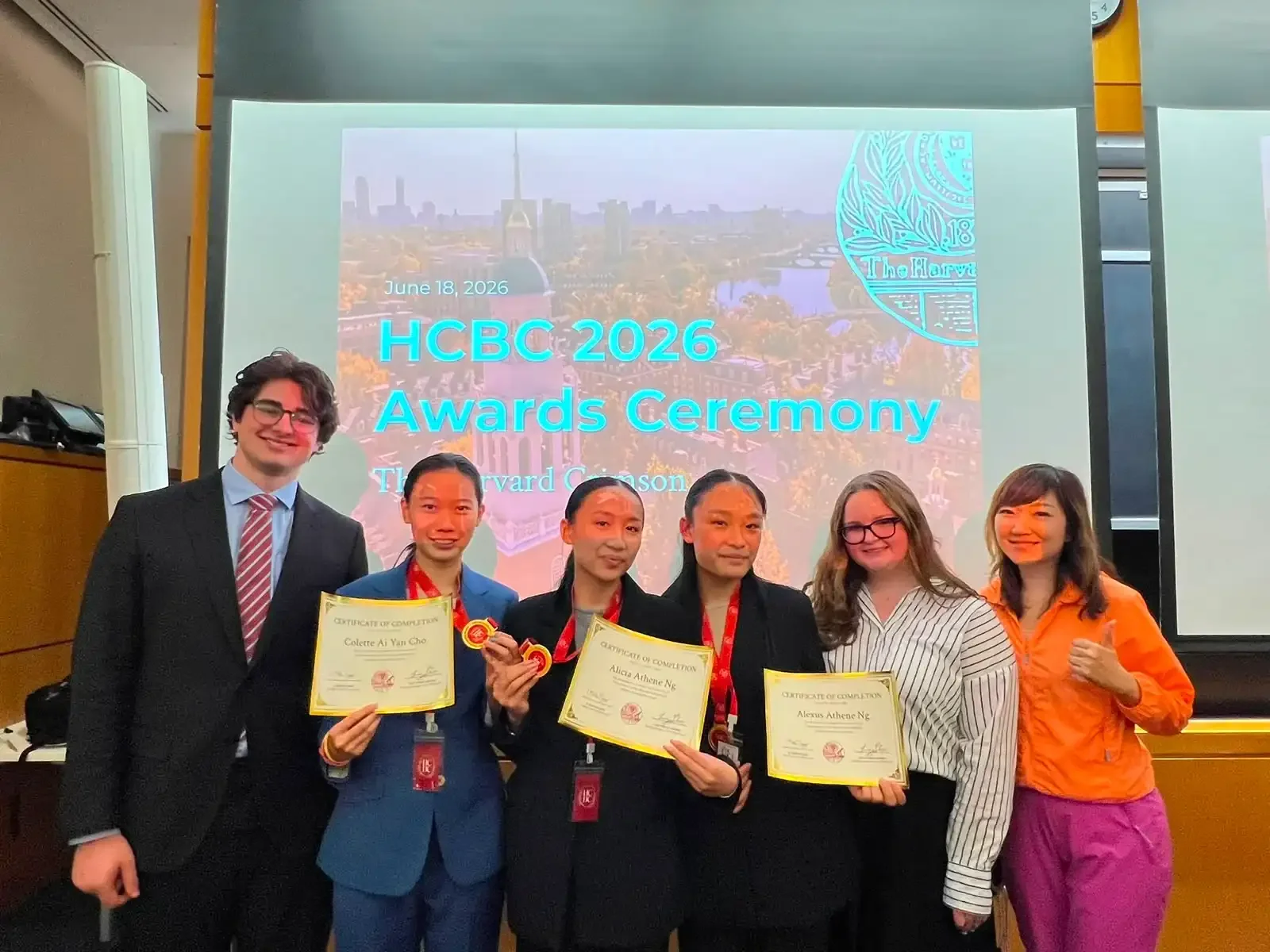
There's a particular kind of excitement that comes with an email telling you your teen's team has qualified for something at Harvard. And there's a very different kind of feeling that shows up about ten minutes later, once you actually sit down to figure out what getting them there is going to cost. If that's where you are right now — or you're still deciding whether to register at all — here's the honest, complete picture: what the Harvard Crimson Business Competition actually charges at each stage, what those fees don't cover, and what a family should realistically expect to spend from registration to the final handshake in Cambridge.
The short version, if you're in a hurry: the preliminary round costs $50 per submission. If your team qualifies for the in-person Global Championship Round at Harvard, that's $300 per person — not per team. Neither fee is refundable, and neither one includes a single flight, hotel night, or meal. The registration page tells you the first two numbers in about four seconds. What it doesn't tell you is everything else, which is really what this article is for.
The Preliminary Round: $50 to Find Out If You Have a Shot
Registration for the preliminary round typically opens in December, and once it's open, teams can put together and submit their business case or innovation concept whenever they're ready — there's no single submission day everyone rushes toward. Qualification results for the Global Championship Round go out on a rolling basis as submissions are reviewed, so a team that submits early can hear back well before the window closes for everyone else.
The $50 fee covers exactly one thing: your team's entry into that evaluation process. Think of it less as "the cost of competing" and more as the cost of finding out whether your idea is genuinely strong enough to be worth the much bigger decision that comes next. Fifty dollars is a remarkably low bar for that information — it's the kind of fee that shouldn't make or break anyone's decision to try, and honestly, that seems to be the point. HCBC wants the preliminary round to be an easy yes.
The Global Championship Round: Here's Where the Real Number Shows Up
This is the fee that actually changes the shape of a family's budget, and it's worth understanding clearly well before a qualification email ever lands in your inbox. If your team advances, attending the in-person Global Championship Round at Harvard's campus in Cambridge, Massachusetts costs $300 — and critically, that's $300 per person, not per team. A team of four students means $1,200 in registration fees alone, before a single flight is booked or a single hotel night is reserved. It's an easy detail to miss when you're focused on the excitement of qualifying, and it's exactly the kind of number that should be part of the conversation with your teen's teammates — and their families — the moment interest starts building, not after everyone's already emotionally committed.
That fee is also non-refundable, which is a detail worth sitting with for a second. Once you register for the Global Round, there's no walking it back if a flight falls through, a visa gets delayed, or plans simply change. It's not a hidden fee or a gotcha — it's clearly stated — but it's the kind of thing that's easy to skim past in the excitement of the moment and genuinely painful to discover later.
What that $300 actually buys, though, is more than a seat in a competition room. The Global Championship Round is a multi-day experience on Harvard's campus that includes workshops, speaker sessions with industry leaders, and direct mentorship from both Harvard students and business professionals — alongside the pitch and judging rounds themselves. For a high schooler, that's genuine access to a campus and a network that money alone can't usually buy, regardless of where a student eventually applies to college. It's worth knowing that going in, because it reframes the $300 from "an entry fee" into something closer to "the price of several days of real access" — which may or may not change your family's math, but it's the honest context either way.
What the Fees Don't Cover — And Why That's the Number That Actually Matters
Here's the part most competition pages leave out, and it's the part that determines what this experience actually costs your family. Neither the $50 nor the $300 includes flights, and HCBC is explicit that it doesn't provide hotel or lodging of any kind. Students and families are on their own for getting to Cambridge and finding somewhere to stay once they're there.
For families flying in from outside the United States — and IFA works with students across a lot of different countries, so this is a real consideration for many, not an edge case — international airfare is genuinely the biggest variable in the whole equation. It can range from a few hundred dollars for a shorter regional flight to well over a thousand for a longer intercontinental one, depending on where you're departing from, how far in advance you book, and the time of year. There's no honest single number to give here; it depends entirely on your starting point, so it's worth pricing out early rather than assuming it'll sort itself out closer to the date.
Hotels near Harvard Square genuinely do fill up quickly, especially around academic events — that's not a sales tactic, it's a straightforward fact worth planning around. Depending on how far ahead you book and exactly which dates you need, expect somewhere in the range of $200 to $400 or more per night for something reasonably close to campus. For a multi-day event, that's realistically three or four nights, which adds up fast — though splitting a room among two or three teammates is a completely normal way to bring that number down meaningfully, and plenty of families do exactly that.
Add meals and everyday incidentals for a few days in Cambridge, and the honest all-in picture for one student traveling internationally — registration, flights, hotel, and food — often lands somewhere between roughly $1,800 and $3,500 or more, depending heavily on where you're flying from and how early you plan. That's a wide range on purpose; your actual number could land well outside it in either direction, and the only way to know for sure is to price your specific flights and dates directly. But going in with that general shape in mind beats being surprised by it in March.
Is It Actually Worth That Kind of Investment?
That's genuinely a question only your family can answer, and anyone who tells you it's an obvious yes for every student isn't being fully honest with you. What we can say clearly is what you're actually weighing it against: a verified, Harvard-affiliated result that admissions officers recognize on sight, several days of real mentorship from people working in business right now, a campus experience most high schoolers never get before they've even applied anywhere, and a network of equally ambitious peers from around the world. For a student who's genuinely serious about business or entrepreneurship — not just looking for a line on an application, but actually excited by the idea of pitching, iterating, and being challenged by people who do this professionally — that combination is hard to replicate anywhere else at any price. For a student who isn't quite there yet, there's no shame in starting with something lower-stakes first and working up to this.
How to Budget for It Without Getting Blindsided
A few things make this easier to plan around rather than panic about. Treat the $50 preliminary round as exactly what it is — a low-cost way to test whether an idea has real legs, before anyone has to think seriously about the bigger number. Don't book flights or hotels until qualification for the Global Round is actually confirmed; given that the $300 fee is non-refundable, there's no upside to moving early on travel either. If your teen is competing as part of a team, have the honest cost conversation with every family involved as early as possible, ideally the moment the team starts seriously preparing a submission, not after an acceptance email makes it feel too late to ask. And if a hotel room can reasonably be shared among teammates, it's one of the easiest ways to bring the per-student total down without losing anything that actually matters.
Frequently Asked Questions
Is the $300 Global Championship Round fee really charged per person, not per team?
Yes — it's a per-person fee, so a team of four students pays $1,200 total for registration alone, separate from any travel costs. It's one of the most commonly misunderstood details about the competition, so it's worth confirming with every team member's family before registering.
Does paying the $50 preliminary round fee guarantee a spot in the Global Round?
No. The $50 covers entry into the evaluation process; qualification for the Global Championship Round is earned based on how the submission is judged, not guaranteed by payment, and notifications go out on a rolling basis as entries are reviewed.
Are flights or hotel rooms included in either fee?
No, neither fee includes travel or accommodations. HCBC does not provide lodging, and all travel arrangements are left entirely to each student and their family.
What happens if a team qualifies but genuinely can't afford to attend the Global Round?
Teams that qualify but choose not to attend in person still receive a certificate recognizing their qualification, so the achievement itself isn't lost even if attending isn't financially possible for that year.
If your teen is weighing HCBC against other options, IFA's championship prep programme includes an honest readiness and budget conversation as part of the very first call — before any competition fees are ever on the table.
This article reflects publicly available fee and policy information from the Harvard Crimson Business Competition as of 2026. Fees, dates, and policies can change — confirm current figures directly with the official competition organiser before registering or booking travel.