The iPhone 18 Pro Just Launched — Here's What It Actually Costs Around the World (and Why)
Key Takeaways
Apple launched the iPhone 18 Pro, iPhone 18 Pro Max, and its first-ever foldable, the iPhone Duo, on September 9, 2026 — led by new CEO John Ternus, in his first keynote since replacing Tim Cook on September 1
US pricing: iPhone 18 Pro $1,199 / Pro Max $1,299 — a $100 increase per model, with 1TB variants up $300
India: iPhone 18 Pro Rs. 1,64,900 / Pro Max Rs. 1,79,900 — a real-world premium far bigger than the exchange rate alone explains
The same Pro Max also runs £1,299 in the UK, A$2,299 in Australia, C$1,899 in Canada, and AED 5,499 in the UAE
The industry-wide driver: a global memory-chip shortage that has already pushed Google and Samsung to raise prices by similar amounts in 2026
The real financial-literacy story isn't the phone — it's why identical hardware carries such different price tags depending on where you live
On September 9, Apple unveiled its 2026 iPhone lineup, and for the first time in over a decade, it wasn't Tim Cook standing on stage to do it. Here's what actually launched, what it costs in six different countries, and — more usefully — the financial reasoning behind why "the same phone" almost never means "the same price."
What Actually Launched on September 9
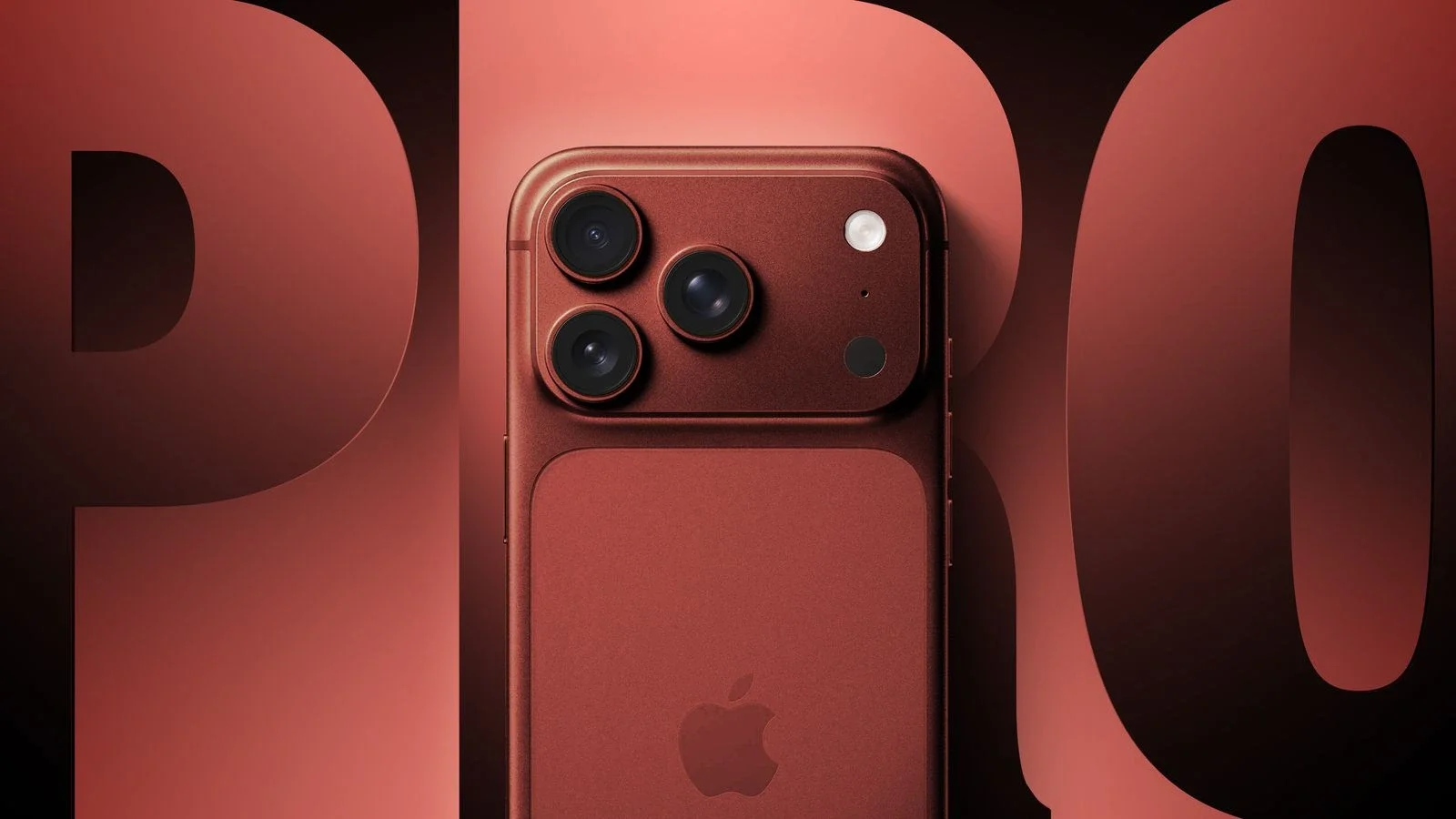
Three new devices: the iPhone 18 Pro, the iPhone 18 Pro Max, and the iPhone Duo — Apple's first-ever foldable phone, arriving under a plainer name than the "iPhone Fold" or "iPhone Ultra" most rumors had predicted. Notably absent: a standard iPhone 18 or budget iPhone 18e, both pushed to spring 2027 as Apple splits its fall lineup into a premium-only release for the first time.
All three new phones run on Apple's new A20 Pro chip, built on a 2-nanometer process, paired with a redesigned vapor chamber cooling system (triple the surface area of the iPhone 17 Pro's, for roughly 40% better sustained performance under load). The headline hardware feature is a 48-megapixel Fusion Main camera with a genuinely variable aperture — four selectable settings from ƒ/1.48 to ƒ/4.0, adjusting automatically for light and depth or manually in the Camera app, a first for any iPhone. Battery life grew meaningfully too, especially on the Pro Max (up nearly 12%, with Apple claiming up to 30 hours of video playback), and storage now tops out at 2TB — also a first.
The Bigger Story Was Who Announced It
Six days before the keynote, John Ternus officially became Apple's CEO, succeeding Tim Cook after his decade-plus at the helm. Ternus led the September 9 presentation himself — the first Apple product keynote not fronted by Cook in more than ten years. Cook reportedly attended, seated in the audience, but didn't appear on stage. For a company where the CEO presenting new hardware has been a fixture since 2011, a leadership transition landing days before the biggest launch of the year is arguably a bigger story than anything in the spec sheet.
What It Actually Costs, Country by Country
Here's where the "same phone, different world" story gets interesting. The iPhone 18 Pro Max, same hardware, same specification, at launch:
CountryPriceUnited States$1,299United Kingdom£1,299India₹1,79,900AustraliaA$2,299CanadaC$1,899UAEAED 5,499
Notice the US and UK figures share the exact same digits — $1,299 and £1,299 — despite being entirely different currencies with different purchasing power. That's not a coincidence, and it's the first clue that Apple isn't simply converting one global price using the day's exchange rate.
The Real Reason Prices Jumped This Year
Every model in the 2026 lineup costs $100 more than its 2025 equivalent — and remarkably, Apple raised prices on the existing iPhone 17 and iPhone Air by the same $100 on launch day too, even though neither phone changed at all. The iPhone 17 went from $799 to $899; the iPhone Air went from $999 to $1,099.
The widely-reported driver is a global shortage of memory chips — the RAM and storage components inside every modern smartphone — which has been pushing component costs up across the entire tech industry in 2026, not just at Apple. Google and Samsung both raised prices by similar amounts earlier in the year for the same underlying reason. Tim Cook himself told the Wall Street Journal back in June that a price increase was "inevitable." Layered on top of the memory shortage is the genuine cost of shifting to a new 2-nanometer chip-manufacturing process — historically, each new node Apple adopts costs meaningfully more per chip to produce, at least in its first year or two.
The Financial Lesson Hiding in the Price Tag
This is the part worth actually sitting with. Take India's price and do the maths a different way: convert the US price directly into rupees at today's exchange rate (roughly ₹96–97 to the dollar), and $1,299 comes out to somewhere around ₹1,25,000. The actual India price is ₹1,79,900 — more than ₹50,000 higher than a straight currency conversion would suggest, a gap of well over 40%. That's the number a lot of guides skip past, and it's the one actually worth understanding.
That gap isn't Apple being arbitrary. It's built from a few real, stackable costs:
Import duties and customs tariffs — India taxes imported electronics at rates that can add a significant percentage before a device even reaches a retailer
Local sales tax (GST in India, VAT in the UK and EU) — and critically, how that tax is shown differs by country. UK and EU prices are legally required to be displayed inclusive of VAT (20% in the UK), so the £1,299 sticker price already has that tax baked in. US prices are shown before state and local sales tax is added at checkout, which is why the US and UK numbers look deceptively similar despite the UK price already carrying a tax the US price hasn't added yet
Currency risk — Apple sets regional prices to hold for months at a time, so it typically builds in a buffer against currency swings rather than repricing every device weekly
Local distribution and retail costs — logistics, retailer margins, and warranty/service infrastructure vary meaningfully by market
What the market will actually bear — beyond pure cost, Apple has historically priced the iPhone as a premium, aspirational product in markets like India, rather than purely matching cost-plus economics
Three Things This Actually Teaches
A sticker price is rarely a pure currency conversion. Two numbers that look almost identical (like $1,299 and £1,299) can represent very different real costs once you know what's included in each.
Taxes aren't hidden the same way everywhere. Some countries show you the full price upfront by law; others let you find out at checkout. Knowing which is which changes how you compare prices across borders.
Companies price to the market, not just to their costs. The same product can carry a meaningfully different profit margin depending on the country, currency stability, and what buyers there are willing to pay — a core idea in how global businesses actually set prices.
Frequently Asked Questions
Why did Apple raise prices on the iPhone 17, a phone that didn't even change?
Apple raised prices across its existing lineup on the same day it launched the 2026 models, widely attributed to the same rising memory-chip and component costs affecting the new phones — not a change to the older devices themselves.
Is the iPhone Duo available everywhere the Pro models are?
No. The iPhone 18 Pro and Pro Max began shipping September 18 in an initial wave of 65 countries, with 20 more following September 25. The iPhone Duo, Apple's foldable, ships separately starting October 23.
Why is the India price so much higher than a simple dollar-to-rupee conversion?
Because the final price stacks import duties, India's GST, currency-risk buffers, and local distribution costs on top of Apple's base pricing — not because of the exchange rate alone.
Does the UK price already include tax, unlike the US price?
Yes. UK law requires retail prices to be shown VAT-inclusive (20%), while US prices are legally shown before state and local sales tax is calculated at checkout — so directly comparing the two "sticker prices" alone is misleading.
Is this kind of regional price gap unique to Apple?
No — it's standard practice across global consumer electronics and most multinational retail, though Apple's premium positioning tends to make the gaps more visible than on cheaper products.
Prices reflect Apple's official announcements and regional pricing as of mid-September 2026; exchange rates shift daily, so treat currency comparisons as illustrative rather than exact.
Curious how businesses actually decide what to charge in different markets? IFA's courses cover exactly this kind of real-world financial decision-making — the same thinking behind every global product launch, not just this one.