Global Student Entrepreneur Awards (GSEA) 2026: A Complete Guide for Young Founders
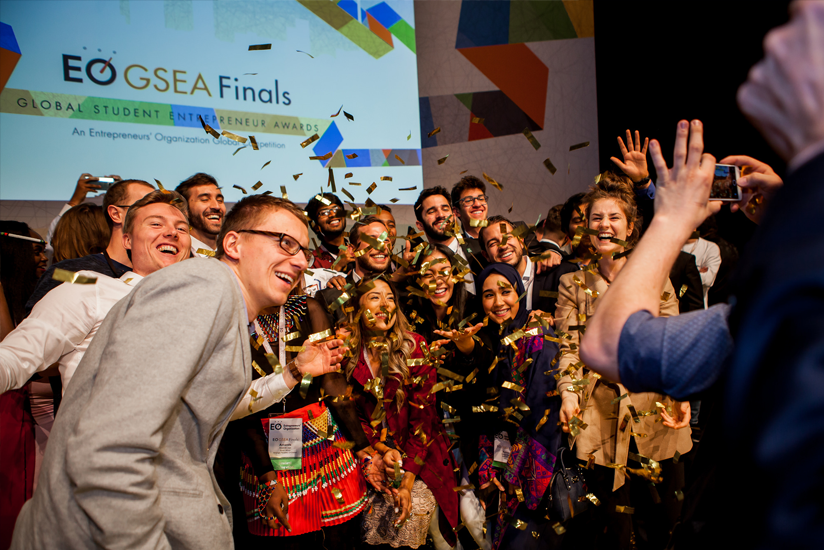
In a rapidly evolving world where innovation and entrepreneurship shape professional success, the Global Student Entrepreneur Awards (GSEA) stands out as one of the most prestigious and impactful competitions for young business founders. Rather than focusing solely on plans and pitches, GSEA celebrates students who are actively running real ventures — rewarding innovation, traction, leadership, and real-world impact.
GSEA offers more than a competition; it’s a global launchpad that connects young founders with mentors, investors, networks and opportunities that can accelerate early ventures into sustainable enterprises. For aspiring entrepreneurs aged approximately 18–25 — including ambitious high-school graduates and young college students — this competition provides a rare chance to showcase real business chops on a world stage.
In this comprehensive guide, we’ll unpack what GSEA is, how it works, why it matters in 2026, tips for success, real examples, and how students can prepare to shine.
What Is the Global Student Entrepreneur Awards (GSEA)?
The Global Student Entrepreneur Awards (GSEA) is a prestigious international competition that celebrates students who are currently running business ventures while pursuing their education. Hosted by the Entrepreneurs’ Organization (EO), GSEA connects young founders with global support, mentorship, and opportunities for funding and growth.
Unlike idea-only contests, GSEA requires that participants have a live business or venture generating real outcomes — whether revenue, users, social impact, or traction in markets. This focus on live entrepreneurial execution makes GSEA one of the most respected platforms for students who are not just dreaming — but building.
Schools, parents, and aspiring founders value GSEA for its emphasis on practical business skills, resilience, leadership, and growth mindset — all of which are critical in a competitive global economy.
Why GSEA Matters in 2026
By 2026, the definition of success is shifting dramatically:
Employers and universities value evidence of execution — projects, portfolios, ventures — over scores alone.
Entrepreneurship is increasingly recognised as a viable career path for students before and after graduation.
Skills like resilience, execution, team leadership, customer validation, and adaptive strategy are becoming core to future careers, regardless of industry.
GSEA aligns perfectly with these shifts: it’s not about theoretical knowledge but real outcomes. Whether your student is building a tech app, a sustainable enterprise, a community initiative or an e-commerce venture, GSEA validates their work with global credibility.
Participation signals leadership, execution competence, and long-term potential — assets that stand out in university admissions, scholarship applications, and early-career roles.
Who Can Participate & Eligibility
To compete in GSEA 2026:
You must be a student actively running a for-profit venture while in school or university.
Ventures must show traction — revenue, users, pilots, proof of concept, social engagement, or measurable impact.
Founders typically range from 18 to 25 years old (exact age eligibility should be checked on the official site).
Teams may include co-founders, but all must be enrolled students.
Since GSEA focuses on active ventures, it differs from competition formats like the Blue Ocean Competition or Diamond Challenge, which allow conceptual submissions. Here, execution matters.
Competition Format & Stages
GSEA typically unfolds in the following stages:
1. Local/National Heats
In many regions, local qualifying rounds are hosted by Entrepreneurs’ Organization chapters. Students pitch their live venture to a panel of judges and mentors.
2. Regional Finals
Top performers advance to regional finals. These events bring together winners from local heats to compete for regional titles and advancement.
3. Global Finals
At the global stage, founders pitch to an international panel of judges — investors, seasoned entrepreneurs and industry experts. The competition here is intense, but the exposure is unparalleled.
4. Awards & Recognition
Winning teams receive prizes that may include:
Travel sponsorships
Mentorship opportunities
Access to investor networks
Media visibility
Cash prizes and scholarships
While prizes differ year to year, the real value often lies in the connections and credibility GSEA bestows.
How Businesses Are Evaluated
Judges in GSEA look at multiple aspects of each venture’s development:
Traction & Validation
Has the business demonstrated real world engagement? Traction may include revenue, active users, partnerships, pilot results, or measurable impact.
Business Model & Scalability
Is the venture financially viable? Does it have a path to growth and sustainability?
Story & Founder Potential
How well does the founder articulate their vision, challenges solved, and strategy? Is the team built to last?
Impact
What difference does the venture make — economically, socially, environmentally or culturally?
GSEA rewards founders who show not only what they’ve built, but why it matters and how it can grow.
Key Benefits of Competing in GSEA
1. Real Business Validation
GSEA is a litmus test for student-run ventures. Making it to regional or global finals signals that a business concept has real-world promise.
2. Mentorship & Expert Feedback
Participants gain access to mentors — seasoned entrepreneurs and investors — who offer strategic guidance beyond the competition.
3. Global Networking
Finalists connect with peers, investors, professionals and innovation ecosystems from around the world.
4. Credibility for Future Plans
Winning or advancing in GSEA adds a powerful credential to:
university applications
internship or job interviews
investor conversations
scholarship portfolios
Preparing for GSEA 2026: A Step-by-Step Framework
1. Strengthen Your Business Fundamentals
Ensure your venture has:
Clear value proposition
Target customers
Revenue model
Measurable indicators (users, revenue, impact)
If any of these are missing, prioritise them before applying.
2. Document Metrics & Traction
Judges want to see evidence. This may include:
revenue history
user growth charts
testimonials or pilot results
social media engagement
This polished documentation builds credibility.
3. Build a Compelling Pitch Deck
A strong pitch deck typically includes:
Problem & solution
Market opportunity
Business model
Traction data
Future roadmap
Team credentials
Keep it clear, concise and evidence-backed.
4. Practice Public Speaking & Q&A
Final rounds often include live presentations. Practising delivery, handling tough questions and projecting confidence can make a significant difference.
5. Leverage Mentors & Feedback
Early feedback from teachers, founders, accelerators or community leaders helps refine strategy and pitch clarity.
Real Example: Student Startup in GSEA
Consider a startup where students create an AI-supported savings app tailored for teenagers, integrating behavioural insights to encourage habit formation. Suppose this venture reached early adoption, secured partnerships with schools, and demonstrated retention. Its strengths in innovation, traction, and social impact would make it a strong GSEA contender — because it solves a real problem, shows measurable results, and scales beyond local limits.
Real stories like this illustrate that GSEA is not about perfect businesses — it’s about progress, impact and vision.
Helping Students Succeed: Family & Educator Roles
Parents and educators can help by:
Encouraging realistic milestones
Allocating time for business development
Facilitating connections with mentors
Providing constructive feedback
Supporting pitch practice sessions
This support system dramatically improves confidence and execution quality.
How to Register
Students can register here.
This IFA page includes deadlines, competition format, FAQs and support resources.
The Global Student Entrepreneur Awards is more than a competition — it’s a ritual of entrepreneurial growth. It helps young founders turn ideas into impact, connect with global networks, and prove their ability to execute in the real world.
Whether a student is just starting a venture or looking to scale an existing one, GSEA offers the structure, challenge, feedback, and recognition essential for early entrepreneurial success.