TiE Young Entrepreneurs (TYE Global) 2026: The Complete Guide for Emerging Founders
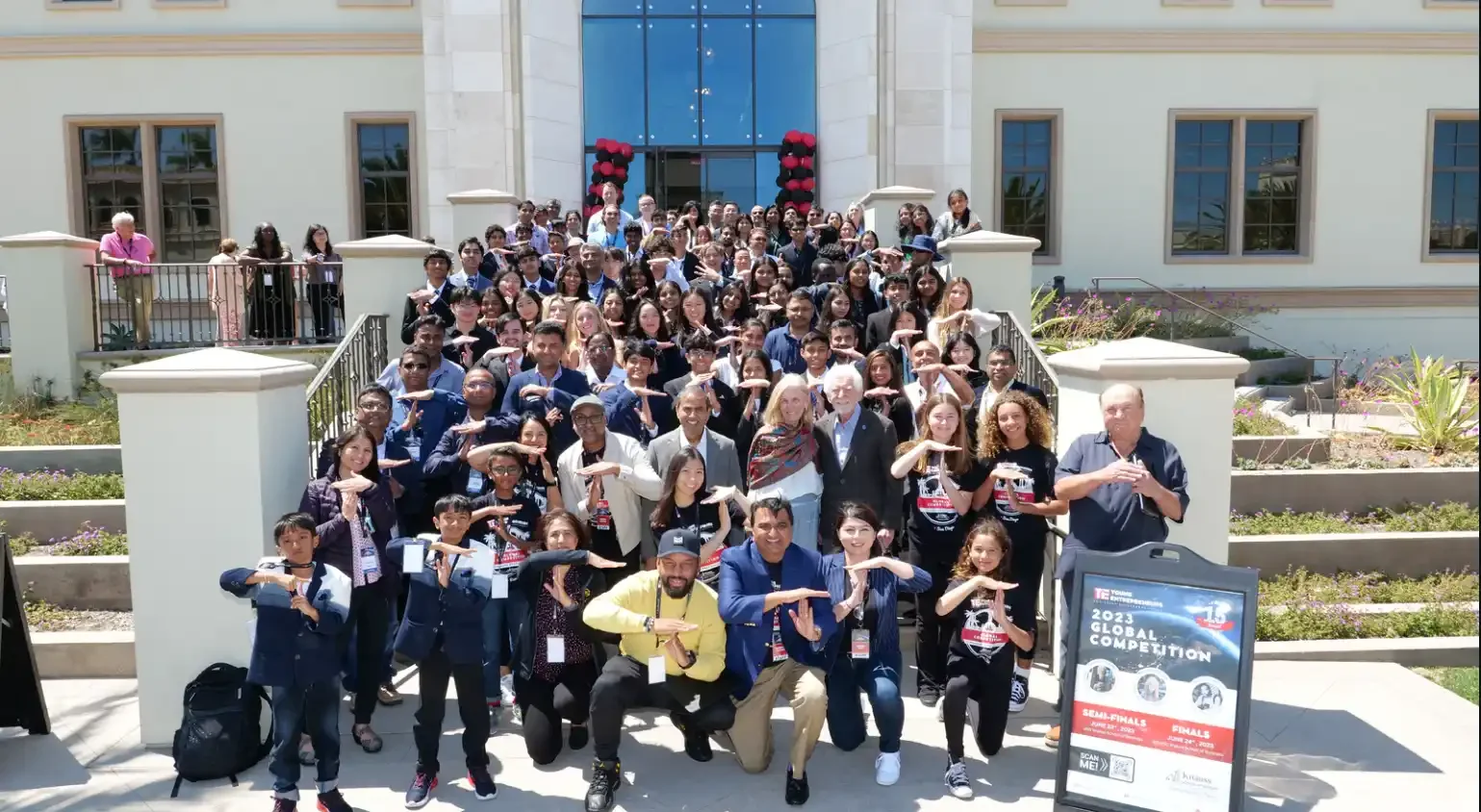
In an era where entrepreneurship is no longer a future option but a present reality, the TiE Young Entrepreneurs (TYE Global) competition has emerged as one of the most impactful platforms for student innovators worldwide. TYE Global blends mentorship, real startup experience, structured business development and global networking — making it far more than a competition: it’s a transformational entrepreneurship ecosystem.
This blog unpacks the entirety of TYE Global 2026 — what it is, how it works, why it matters, who can compete, how to prepare, and why students and parents should consider it a stepping stone to real entrepreneurial impact.
What Is TYE Global?
TiE Young Entrepreneurs (TYE Global) is part of the larger TiE (The Indus Entrepreneurs) network — one of the world’s largest global entrepreneurship organisations. TYE specifically focuses on high-school and university students who are building real ventures or business concepts and want structured mentorship, expert guidance and a global platform to present their work.
Unlike contests centred on hypothetical business plans, TYE emphasises real startup methodology: ideation, customer discovery, prototypes, business models, testing, presentations and iteration. It bridges classroom learning and real entrepreneurial execution, positioning students ahead of many peers in the career and business landscape.
Why TYE Global Matters in 2026
Entrepreneurship in 2026 is no longer an afterthought in education — it’s a core competency for tomorrow’s professionals, regardless of industry. Whether your child intends to build a business, join a startup, or lead innovation in established organisations, entrepreneurial thinking is a competitive advantage.
TYE Global promotes exactly this: it helps students learn how to:
think systematically about problems
validate assumptions with real users
build prototypes and minimum viable products (MVPs)
construct sustainable business models
communicate with clarity and conviction
navigate feedback loops like professionals
This aligns with the broader educational shift observed in 2025–2026: a move toward applied skills, project-based learning, and real world readiness — foundations that are central to IFA’s own ethos.
Beyond that, TYE Global’s mentorship model is world-class, connecting students with entrepreneurs, investors and ecosystem stakeholders that most school environments cannot deliver.
Who Can Participate? Eligibility and Tracks
TYE Global welcomes:
High-school teams (typically ages 14–18)
University and college teams
Student teams with a business idea or venture ready to develop
Teams often consist of 2–5 students, supported by a mentor or teacher advisor. There’s no rigid requirement for existing revenue, although having some traction, prototype or evidence of progress strengthens the learning experience and competitive edge.
How the Competition Works
The TYE Global journey typically follows several structured stages, each designed to accelerate entrepreneurial growth:
1. Local or Chapter Workshops & Mentorship
Students begin by attending online workshops, webinars and local chapter sessions where the focus is on:
refining ideas
teams building viable business models
receiving early feedback from mentors
Mentorship is not optional in TYE — it’s integral.
2. Business Model Development
Participants are coached through frameworks like:
Lean Canvas
Value Proposition Design
Customer Personas
Competitive Landscape Mapping
This stage transforms raw ideas into structured, testable business models.
3. Customer Discovery & Validation
Rather than guessing, teams are encouraged to talk to potential users, gather first-hand insights, and refine their offerings. This phase mimics real startup environments where early users are the first advisors.
4. Pitch Preparation
With mentorship, teams craft:
executive summaries
pitch decks
financial assumptions
go-to-market plans
Pitch practice is continuous, with feedback loops ensuring iteration and polish.
5. Presentation to Judges
Top teams are invited to deliver live pitches — locally, regionally, and in some cases, on a global stage. Judges typically include seasoned entrepreneurs, investors and business leaders.
This isn’t just a contest — it’s a simulation of real investor and partner pitches.
What Judges Look For
Though rubrics vary by event year and chapter, high-impact teams usually demonstrate:
Clarity of Problem & Solution
Can the team succinctly articulate a pain point and its innovative resolution?
Understanding of Audience
Have they talked to real users and incorporated feedback?
Business Logic
Does the model make sense? Is there a clear path to sustainability?
Communication & Poise
Pitching isn’t just information — it’s delivery, confidence and connection.
Team Dynamics
Collaborative, well-balanced teams perform better in dynamic evaluation settings.
Timelines for TYE Global 2026
Exact dates vary by region and chapter, but a typical annual cycle looks like:
Registration Opens: Late 2025 / Early 2026
Mentorship & Workshops: January – March 2026
Validation & Pitch Prep: April – May 2026
Local & Regional Finals: June – July 2026
Global Summits / International Showcases: Late Summer 2026
Benefits of Competing in TYE Global
1. Practical Entrepreneurship Training
Few competitions offer mentored, structured business building. TYE turns theory into tangible skills.
2. Mentorship & Network Expansion
Students work with real entrepreneurs — a rare advantage that pays dividends into university and professional careers.
3. Portfolio Worthy Work
Pitch decks, prototypes and validation reports are concrete outputs students can showcase in portfolios, university applications and internship profiles.
4. Confidence & Communication Mastery
Repeated pitching and revision cycles build self-assurance and polished public speaking — skills that extend far beyond business.
5. Real Growth Feedback
Judge and mentor feedback are long-term value boosters, not quick critiques.
Strategic Steps to Prepare for TYE Global
To succeed in TYE, students should approach preparation like entrepreneurs:
1. Start With a Customer Problem
Successful founders solve real pain points. Begin by interviewing at least 10 potential users before building anything.
2. Draft and Test Hypotheses
Use clear hypotheses like:
“If we build X, then users will Y because of Z.”
Then test these with feedback loops.
3. Build a Minimum Viable Offering
Prototypes don’t have to be perfect — they just need to demonstrate learning and user interest.
4. Use Mentors Early and Often
Don’t wait until a final pitch — involve mentors from day one. Their perspectives prevent blindspots and refine strategy.
5. Script & Rehearse the Pitch
Pitching is not guessing — it’s planned communication. Script drafts, refine slide decks and practise in front of diverse audiences.
Real Example: TYE Global Success Story
Imagine a team that builds a modular platform to help small farmers sell produce directly to consumers via an app that auto-sorts demand, logistics and pricing based on local data.
This venture:
validated customer needs through interviews
built a simple prototype
gathered early users in a pilot
developed financial assumptions
articulated a clear go-to-market strategy
In TYE settings, such structured progression is often what separates strong teams from average ones — because it isn’t just a “good idea” but a tested plan.
How Families and Educators Can Support Competitors
Supporting a young founder includes:
Providing time and space for structured work
Encouraging consistent iteration over perfection
Connecting with mentors or communities
Celebrating learning over outcomes
Helping with logistics, deadlines, planning
Such support improves not just performance but the overall learning experience.
How to Register
Students can register here.
TYE Global does more than crown winners — it builds entrepreneurial thinkers who can navigate complexity, anticipate customer needs, communicate with clarity, and adapt quickly.
For students in 2026 — whether they aim to launch ventures, work in innovation teams, or lead in any professional domain — the skills gained through TYE Global are career capital.
Innovation isn’t an occasional act. It’s a pattern of thinking. TYE builds that pattern.