Harvard Crimson Business Competition (HCBC) 2026: A Complete Guide for Future Business Leaders
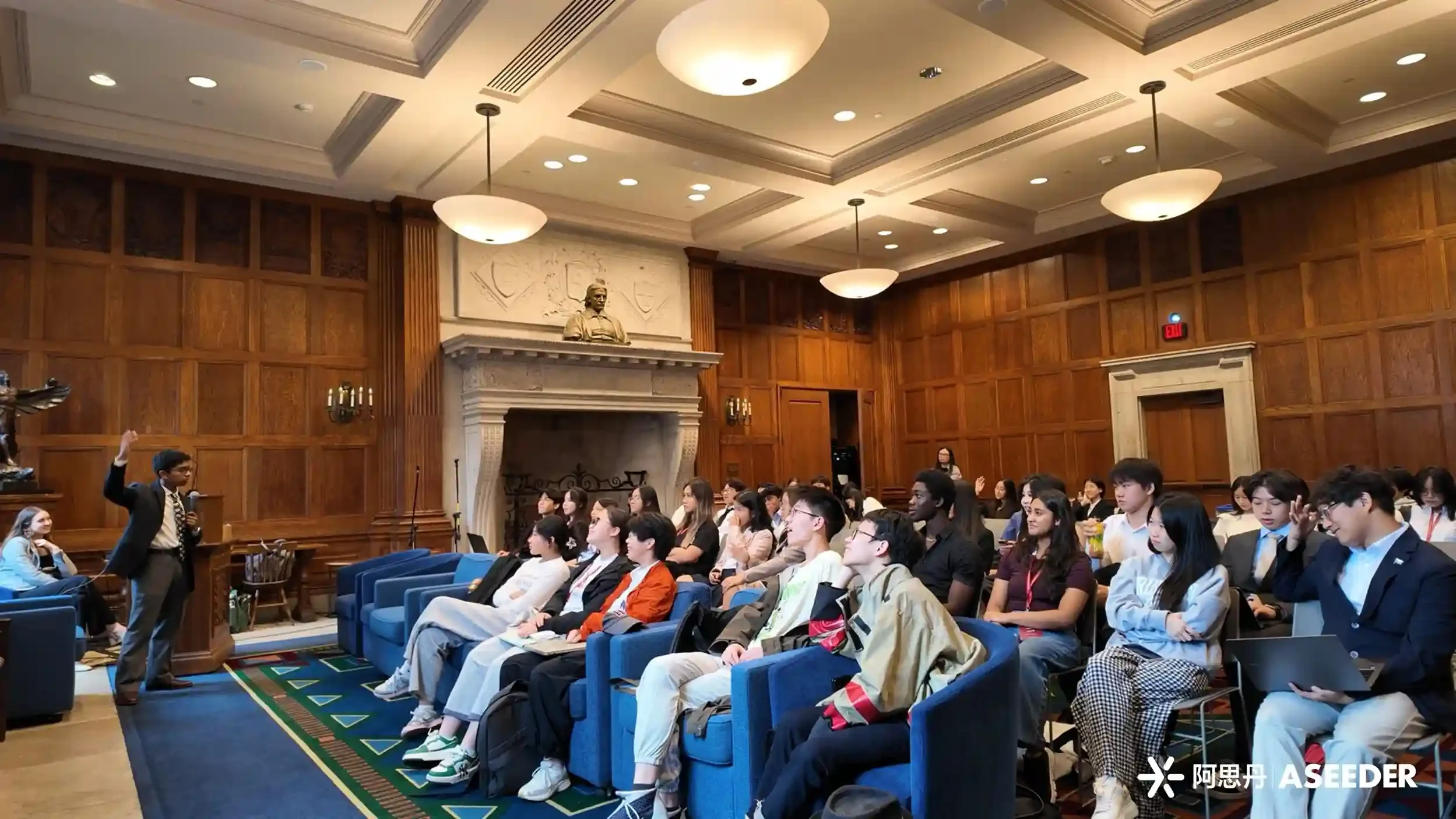
In the landscape of global student competitions, few opportunities match the prestige, rigour and learning impact of the Harvard Crimson Business Competition (HCBC). Hosted by Harvard University’s student community and powered by The Crimson, this competition invites ambitious students from around the world to demonstrate strategic thinking, business insight, and real-world problem-solving — all through case-based challenges that mirror professional consulting and business environments.
For parents, educators and students (especially those aged 15–25), the HCBC represents not just another contest, but a transformative experience that builds strategic reasoning, team collaboration, confidence and global exposure. Whether your teen dreams of a business career, management consulting, finance, or innovation roles, HCBC equips them with practical frameworks and performance muscles unmatched by many other competitions.
This guide covers everything you need to know about HCBC 2026 — from structure and eligibility to preparation strategies and real competitive insights.
What Is the Harvard Crimson Business Competition (HCBC)?
The Harvard Crimson Business Competition (HCBC) is an international business case competition designed for high-school and early university students. The contest revolves around a live or released business case — a structured real-world problem — that requires teams to analyse data, propose strategic decisions, and present solutions to a panel of judges.
Unlike project-based contests that extend over months, HCBC simulates the intensity and precision of consulting and business decision-making — focusing not only on what teams propose, but on how clearly and persuasively they communicate it. The competition is hosted by The Crimson in partnership with Harvard University and attracts ambitious students globally.
Why HCBC Matters in 2026
Case competitions are increasingly viewed as a marker of elite academic and professional readiness. By 2026:
Global business environments demand analytical thinking, structured frameworks and crisp communication.
Employers and universities value demonstrable skills, not just grades.
Students exposed to real business challenges stand out in admissions, internships and early career opportunities.
Unlike some competitions focused on product ideas or entrepreneurial pitches, HCBC places strategic reasoning and business logic front and centre. Teams must rapidly understand complex scenarios, develop recommendations, defend choices and present under pressure — exactly the same skills sought in consulting, investment banking, corporate strategy, and innovation roles.
Who Can Participate & Eligibility
HCBC is typically open to:
High-school students (often 15–18+)
University and early college participants
Student teams from around the world
Since case competitions often require logical reasoning, teamwork and communication, students with strong analytical skills and confident presentations benefit most.
Competition Structure & Case Format
HCBC generally follows a structured timeline:
1. Case Release
Participants receive a business case involving a company, industry trend or strategic dilemma. Cases may be released:
after registration closes
shortly before the competition rounds begin
The case typically includes background data, market conditions, financial figures, and multi-layered challenges.
2. Analysis Phase
Teams dissect the case, identify critical issues, evaluate alternatives, and build a strategic recommendation. This includes qualitative analysis, quantitative reasoning and structured frameworks.
3. Written Submission / Slide Deck
Teams submit a polished deck (and sometimes a written summary) outlining their analysis, interpretation, and recommended action steps. Clear logic, data support and sound business reasoning are essential.
4. Presentation & Q&A
Top teams may present live (or virtually) to judges. Presentations typically include a concise narrative and a Q&A session where judges probe assumptions and strategic choices.
This mirrors professional environments — like consulting case interviews — where clarity and decisiveness matter as much as conclusions.
What Judges Look For
While exact criteria may vary, strong HCBC teams generally excel in:
1. Structured Thinking
Are recommendations rooted in logic and data?
Is there a clear chain of reasoning from problem to solution?
2. Framework Application
Did the team use established business concepts such as SWOT, Porter’s Five Forces, PESTEL, competitive positioning, market analysis, risk assessment, and financial implications?
3. Practical Recommendations
Are solutions realistic and implementable?
Do they balance innovation with operational feasibility?
4. Presentation Clarity
Was the pitch clear, confident, persuasive and well-timed?
Did the team handle Q&A with composure and precision?
5. Team Cohesion
Did each member contribute meaningfully?
Was the team communication smooth and professional?
This mix of logical rigour and effective communication positions teams for success — and reinforces exactly the skills high-performing professionals use daily.
Competition Timeline & Key Dates
HCBC schedules can vary, but a typical annual flow includes:
Registration Open: Early in the academic year
Case Release: Weeks before submission deadlines
Submission Deadline: Late spring / early summer
Presentation Rounds: Spring / Summer (depending on global timezones)
How to Prepare: Case Competition Skills 101
Preparing for HCBC requires both content knowledge and strategic practice. Here’s a step-by-step approach:
1. Master Case Frameworks
Familiarise yourself with core business analysis frameworks:
SWOT Analysis
Porter’s Five Forces
PESTEL Analysis
Financial Ratio Interpretation
Break-Even & Profit Analysis
These are the backbone of case reasoning.
2. Practice With Past Cases
Many universities and consulting clubs publish sample cases. Practise dissecting them, writing summaries, and building slide decks under timed conditions.
3. Build Story Arcs
A strong case does more than solve problems — it tells a narrative:
“What happened? What should be done? Why this choice? How will it work?”
Narrative clarity makes presentations memorable.
4. Effective Team Collaboration
Assign roles early — such as lead analyst, financial modeler, designer/presenter — but keep collaboration flowing. Refinement and feedback loops are crucial.
5. Pitch Practice
Rehearse live — with friends, mentors or teachers — and seek tough questions. Confidence under Q&A is a differentiator.
Benefits of Competing in HCBC
Participating in the Harvard Crimson Business Competition offers unique advantages:
1. Professional-Level Skills
Students master real business analysis, strategic thinking, financial literacy and collaborative problem-solving.
2. University & Career Credentials
Success — or even participation — in HCBC is a valuable asset for:
university applications
internships
professional portfolios
scholarship essays
3. Networking Potential
In live rounds, students connect with judges, mentors and peers from diverse backgrounds — expanding perspectives and opportunities.
4. Confidence & Resilience
Competing under time constraints and defending strategies strengthens public speaking, critical thinking and resilience.
Real Case Competition Scenarios
To illustrate the kind of problems HCBC participants face:
Scenario Example — Market Entry Strategy
A global beverage company must decide whether to enter a new emerging market with health-centric products. Teams analyse consumer trends, competitor dynamics, supply chain constraints, and pricing elasticity — crafting a go-to-market plan with financial justifications.
Scenario Example — Digital Transformation Dilemma
A traditional retailer is losing customers to online competitors. Teams propose digital transformation strategies that balance cost, customer experience, and brand legacy — arguing for resource prioritisation.
Such scenarios require both analytical precision and creative strategy — a hallmark of real business decision-making.
Supporting Students: Family & Educators
Parents and mentors can help by:
Encouraging structured practice sessions
Providing access to case libraries and mock challenges
Facilitating teamwork and feedback loops
Connecting students with industry professionals for perspective
Celebrating progress and analytical growth
This kind of support shapes not only competition success but long-term professional readiness.
How to Register
Students and teams can register here.
The Harvard Crimson Business Competition (HCBC) is a rare opportunity for young strategists to engage with the real art and science of business analysis. Beyond trophies, HCBC builds:
logical rigour
strategic insight
confident communication
team resilience
professional maturity
For students ready to push their reasoning, sharpen their business instincts, and engage with real decision-making scenarios, HCBC is a milestone event — and a milestone in personal growth.